top of page

R.C. TECHNOLOGY
RAMLA CONSTRUCTION TECHNOLOGY
مؤسـسة الرمـــــلة لتقــنية البناء
" Your Partner in Success "
CONSTRUCTION MATERIALS
TESTING EQUIPMENTS
 SILICA FUMESilica Fume or Microsilica, is a morphism dusty Silicon Dioxide. When melting the Ferrosilicon Or the industrial Silicon, the Silicon steam is expelled from the flue and is oxidized and become Silicon Dioxide then it is collected by special equipment. The average size of Microsilica is Between 0.1-015μm, which is smaller than 1% of cements radius. | 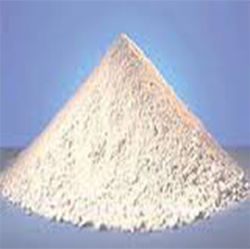 METAKAOLINMetakaolin is a must for concrete jewelers and sculptors. When added to your concrete mixture (typically 10 to 15 % by weight of cement), it produces a relatively large increases in strength, impermeability, and durability to your finished product. |  FLY ASHFly ash, also known as flue-ash, is one of the residues generated in combustion, and comprises the fine particles that rise with the flue gases. Ash which does not rise is termed bottom ash. In an industrial context, fly ash usually refers to ash produced during combustion of coal. |
|---|
 CONCRETEThe Romans made concrete (opus caementicium) from quicklime, pozzolana and an aggregate of pumice. The stone-like material was used for the construction of roads and many structures. That infrastructure was a key component to the expansion of their empire. |  SOILWill Rogers advised investing your money in land as "they aren't making any more of it"! They aren't making any more soil either, and working with it is every bit as complicated as investing. |  CEMENTOriginally derived from a mixture of volcanic ash and burnt lime, cement is a binder that can harden on its own. Combined with sand to produce mortar, or larger aggregate to produce concrete, cement is the most widely manufactured material on earth! |
|---|---|---|
 AGGREGATEAggregates are tested for many different properties: Abrasion resistance,Gradation,Density, Moisture content ,Specific gravity.....and more |  AsphaltAsphalt , also known as bitumen, is the sticky, black and highly viscous liquid present in most crude petroleums. The primary use of asphalt is in road construction, where it is used as the glue or binder mixed with aggregate particles to create asphalt concrete. Its other main uses are for bituminous waterproofing products, including production of roofing felt and for sealing flat roofs. |  Mechanical EngineeringMechanical Engineering can be something as simple as a glass beaker or as complex as a precision balance or sophisticated furnace. |




bottom of page